 You Are Here:
Compact and Precise: The Innovation Behind Fully Automated Micro-Volume Liquid Filling and Sealing
 Updated: 2026-01-22
 Views: 315
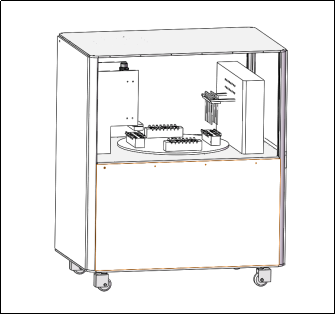
Fully Automated Micro-Volume Liquid Filling and Sealing Systemis intelligent packaging equipment that integrates precision metering, automatic filling, and immediate sealing. It is designed for industries with demanding dosage-accuracy and hygiene requirements, including pharmaceuticals, biological reagents, cosmetics, food additives, and chemicals [preceded by an unclear modifier in the source]. It automates the entire process from bottle infeed, volumetric filling, and cap placement (or press-capping/screw-capping) through sealing (such as aluminum-foil heat sealing, induction sealing, or vacuum sealing) and discharge, significantly improving production efficiency, product consistency, and sterility assurance.
It generally uses a high-precision peristaltic pump, ceramic plunger pump, or servo-controlled piston pump as the metering unit. Its filling range covers 0.1 mL to 100 mL, with repeatability within ±0.5%, meeting precision dispensing needs for micro-volume liquids such as vaccines, diagnostic reagents, essential oils, and serums. A touchscreen human–machine interface (HMI) and PLC control system support multiple parameter presets, automatic counting, no-bottle/no-fill control, anti-drip operation, and fault alarms for simple, stable, reliable use.
Fully Automated Micro-Volume Liquid Filling and Sealing Systemmain features:
1. High-precision metering: advanced technologies such as imported sensors and dual-speed filling minimize error in micro-volume filling. Some equipment achieves accuracy of ±0.2% or better. Such precision is essential where liquid quantities must be tightly controlled, including small-volume filling of oral solutions and reagents in the pharmaceutical industry.
2. Automated control: an integrated PLC intelligent control system and touchscreen human–machine interface automate the complete process from container positioning and volumetric filling through sealing and discharge. Operators can easily monitor and adjust production parameters on the touchscreen, improving efficiency and convenience.
3. Flexible compatibility: accommodates bottles of different types and sizes, including irregular shapes, with fast, easy changeover. This flexibility supports high-mix, small-batch production and reduces costs.
4. Stable and reliable: high-quality materials and advanced manufacturing processes maintain stable, reliable operation over long periods. Some equipment also includes automatic lubrication and fault self-diagnostics to further reduce maintenance costs and downtime.
5. Low liquid-loss design: closed filling at the bottle mouth and dispensing along the inner wall prevent overflow and foaming, reducing material loss. This is especially important for high-cost liquid products.
6. Safety protection: an overload clutch and resilient bottle support trigger an automatic stop and alarm under abnormal conditions, preventing bottle breakage and machine damage. All product-contact parts are stainless steel and meet food-hygiene requirements.