 You Are Here:
Extend Instrument Life: Storage Tips for a Quantitative Corneal Transparency Measurement Instrument
 Updated: 2025-12-22
 Views: 284
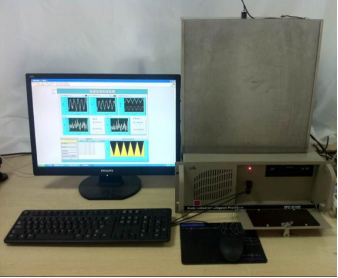
Quantitative corneal transparency meteris ophthalmic testing equipment [the source modifier is unclear] for objective, precise assessment of corneal optical clarity. It is used mainly in research, clinical diagnosis, and monitoring of corneal disease or postoperative recovery. As the transparent tissue at the front of the eye, corneal clarity directly affects visual quality; inflammation, edema, scarring, dystrophy, or surgical trauma can reduce transparency and impair vision. Traditional examinations often rely on subjective slit-lamp microscopy and lack quantitative standards, whereas a quantitative corneal transparency meter uses optical principles for non-invasive, repeatable, digital precision assessment.
Quantitative corneal transparency meterstorage methods:
I. Temperature control
Routine storage: as precision optical equipment, it is sensitive to temperature. Store it in a dry, well-ventilated indoor environment at a suitable temperature, such as 15-25℃, avoiding excessively high or low temperatures that could damage the equipment.
Special cases: if the manual specifies temperature requirements, such as refrigerated storage for certain components or reagents, follow them strictly.
II. Moisture and dust protection
Moisture protection: use moisture-resistant packaging, such as a dry cabinet or desiccant, to keep the equipment dry. Humidity may corrode internal components or cause mold on optical parts, affecting measurement accuracy.
Dust protection: keep the storage environment clean and prevent dust from entering the equipment. Dust can adhere to optical components, reduce light transmittance, and interfere with results.
III. Protection from light
Protection from light: avoid prolonged exposure to sunlight or intense direct light, which may age or discolor optical components and reduce performance.
IV. Regular cleaning and maintenance
Cleaning: regularly wipe exterior surfaces gently with a clean, soft cloth to remove dust and dirt. Avoid cleaners containing alcohol or other solvents, which may damage surfaces or optical components.
Maintenance: follow the manual's maintenance guidance, including checks for damaged components and loose fastening screws.
V. Original packaging and identification management
Original packaging: whenever possible, store the equipment in its original packaging to keep it safe and intact. The original packaging generally offers better protection against transport or storage damage.
Identification management: use appropriate labels and a management system to identify and track the equipment. This makes its storage status, use history, and maintenance records readily available and ensures it can be located and put into service quickly when needed.