 You Are Here:
Applications of the Articular Cartilage Bioreactor
 Last updated: 2025-11-23
 Views: 414
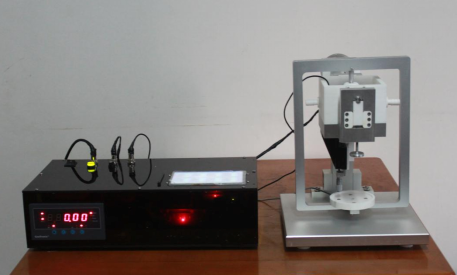
Articular cartilage bioreactoris a device for culturing and maintaining human articular chondrocytes and can be used to study cartilage biology and explore treatments. It generally consists of multiple layers of components, including a cell culture chamber, fluid circulation system, pressure sensor, and temperature controller. Its basic principle is to culture articular cartilage tissue on a permeable, porous, elastic artificial matrix and promote its growth and development through simulated physiological stimuli such as joint movement, pressure, and fluid shear. Its main components include a culture chamber, artificial matrix, pressure sensor, fluid pump, and control system.
Articular cartilage bioreactorIts applications span basic research, clinical treatment, drug development, medical-device testing and personalized medicine, as detailed below:
I. Basic Research
Cartilage-biology research: provides a controlled experimental platform for studying chondrocyte characteristics, metabolic mechanisms and signaling pathways. By simulating physiological stimuli such as joint movement, pressure and fluid shear, researchers can investigate how these factors affect chondrocyte growth, differentiation and matrix synthesis and thereby reveal the biological mechanisms of cartilage tissue.
Tissue-engineering research: in tissue engineering, it is widely used for in vitro construction and regeneration of cartilage tissue. By combining biomaterials such as natural and synthetic polymers with cell-culture technology, cartilage with good biological activity and mechanical properties can be cultured in the reactor, providing an ideal graft material for repairing cartilage defects.
II. Clinical treatment
Cartilage injury repair: it offers significant advantages in repairing cartilage damage. Simulating the in vivo environment and applying mechanical stimulation to the injured area can promote chondrocyte regeneration and repair, accelerating recovery. This approach avoids limitations of traditional treatments, improves repair outcomes, and offers patients a better treatment experience.
Osteoarthritis treatment: osteoarthritis is a common joint disease characterized mainly by degeneration of articular cartilage and inflammation of surrounding tissue. Appropriate mechanical stimulation can promote chondrocyte proliferation and differentiation and increase cartilage-matrix synthesis and secretion, improving cartilage metabolism and function and relieving osteoarthritis symptoms.
III. Drug development
Drug screening and evaluation: it provides an efficient drug-development platform for screening and assessment. By simulating the in vivo environment, effects on chondrocytes can be evaluated in the reactor, including drug toxicity, efficacy, and mechanism of action. This method improves development efficiency, reduces experimental costs, and strongly supports new-drug research.
Mechanism-of-action research: an articular cartilage bioreactor enables in-depth study of how drugs affect chondrocyte proliferation, differentiation, matrix synthesis, signal transduction, and other processes. These studies help reveal efficacy and adverse effects and provide a scientific basis for clinical use.
IV. Medical-device testing
Medical-device performance evaluation: it can evaluate the performance and safety of devices such as artificial joints and cartilage-repair materials. Simulating the in vivo environment allows their effects on chondrocytes—including biocompatibility, mechanical properties, and durability—to be tested in the reactor. This helps ensure device quality and safety and provides reliable support for clinical use.
Medical-device design optimization: an articular cartilage bioreactor can help optimize device design and improve compatibility and function with cartilage tissue. Simulating mechanical stimulation under different conditions allows performance in different use scenarios to be evaluated, providing a scientific basis for design improvements.
V. Personalized medicine
Patient-specific treatment: the system can be customized to a patient's age, sex, injury location and severity, and other characteristics to provide a personalized treatment plan. By simulating the patient's joint environment, graft material matching the patient's own cartilage can be cultured in the reactor, improving outcomes and quality of life.
Regenerative-medicine applications: as regenerative medicine advances, applications for articular cartilage bioreactors continue to expand. Combining stem-cell technology, gene editing, and other frontier biotechnologies can produce cartilage with greater regenerative capacity in the reactor, offering better treatment options for cartilage defects.