 You Are Here:
Articular Cartilage Bioreactor Maintenance Should Address the Following Areas
 Last updated: 2025-11-21
 Views: 402
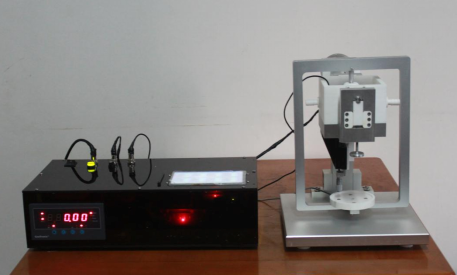
Articular cartilage bioreactoris a device for culturing and maintaining human articular chondrocytes and can be used to study cartilage biology and explore treatments. It generally consists of multiple layers of components, including a cell culture chamber, fluid circulation system, pressure sensor, and temperature controller. Its basic principle is to culture articular cartilage tissue on a permeable, porous, elastic artificial matrix and promote its growth and development through simulated physiological stimuli such as joint movement, pressure, and fluid shear. Its main components include a culture chamber, artificial matrix, pressure sensor, fluid pump, and control system.
Articular cartilage bioreactorMaintenance guide:
I. Routine Cleaning and Disinfection
Exterior cleaning: after each use, wipe the exterior with a clean, soft cloth to remove dust and dirt. Avoid cleaners containing alcohol or other solvents, which may damage the surface.
Interior cleaning: clean the reactor interior, including the culture chamber and fluid-circulation system, regularly. Select a suitable cleaner for the medium composition and cell type, such as 0.1M NaOH or a dedicated enzymatic cleaner, and circulate it to remove protein deposits and microbial contamination. Rinse thoroughly with deionized water afterward.
Sterilization: before use, sterilize at high temperature, such as 121°C for 30 minutes, or chemically disinfect by soaking in 0.5% sodium-hypochlorite solution to ensure an aseptic operating environment. Install a sterilizing filter at the inlet to keep microorganisms out of the system.
II. Fluid-System Maintenance
Medium replacement and cleaning: in fluid systems using water, heat-transfer oil or similar media, replace the medium and clean the piping regularly to prevent scale and microbial contamination and maintain heat-transfer performance.
Backflushing and rinsing: backflush the lines daily with deionized water at pressure ≤0.1MPa to remove residual substrate and metabolic waste. Air-scour weekly to prevent separation-membrane blockage. Start a chemical-cleaning cycle if flux drops by more than 20%.
Flow calibration: verify flow-rate deviation monthly. Recalibrate if it exceeds ±5% to maintain stable fluid shear and avoid mechanical damage to cells.
III. Sensor and Controller Calibration
Temperature sensor: calibrate regularly to ensure accurate measurements. Keep temperature fluctuation within ±0.5°C to maintain optimal cell-growth conditions.
Pressure sensor: verify reading accuracy to prevent abnormal pressure from damaging cells or causing medium leakage.
pH electrode: replace the electrolyte every 3 months and polarize for 6 hours to ensure accurate pH measurement. Replace the membrane assembly promptly if abnormal.
IV. Mechanical-Component Inspection and Replacement
Circulation-pump maintenance: inspect lubricant level and add or replace oil as needed for smooth operation and reduced wear. Check the pump regularly for leakage or abnormal noise.
Valves and connectors: inspect mechanical components such as valves and connectors regularly for wear or looseness and replace them promptly when needed to prevent medium leakage or abnormal system pressure.
Seal replacement: replace O-rings and other seals once a year to prevent age-related leakage and maintain system integrity.
V. System Performance Testing
Functional testing: test the temperature-control system regularly to confirm that heating and cooling rates meet requirements within the set range and that the target temperature remains stable.
Substrate-conversion testing: validate system performance annually and assess culture efficiency from substrate conversion. Replace or regenerate the carrier if activity falls by more than 20%.
VI. Safety-Device Inspection
Overtemperature protection: confirm normal operation to prevent abnormal temperature rise from damaging cells or equipment.
Overpressure protection: check sensitivity to prevent excessive system pressure from causing an explosion or leakage.
Level alarm: test regularly to prevent too little or too much medium from affecting cell growth.
VII. Records and Analysis
Operating records: document temperature-control operation, maintenance and fault handling in detail to support equipment management.
Data analysis: analyze historical data to anticipate potential issues, take preventive action and optimize the maintenance plan.