 You Are Here:
What are the features of a quantitative corneal transparency meter?
 Updated: 2023-09-20
 Views: 1033
The cornea is the transparent front surface of the eye and is essential to maintaining good visual function. Corneal transparency is an important indicator for assessing corneal health and conditions including corneal inflammation, edema, and lesions. Traditional assessments rely mainly on subjective observation and clinical experience and lack objectivity and quantitative measurement.
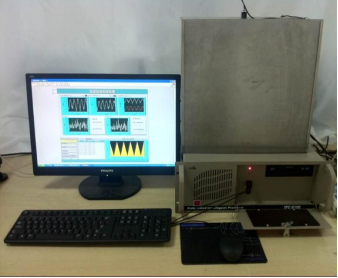
Quantitative corneal transparency meterThe instrument uses optical principles and image-processing technology to assess corneal transparency by measuring the intensity of light transmitted through the cornea. It directs a standardized light source at the cornea and records the intensity of the transmitted light. Analysis and processing of this intensity produce a quantitative corneal transparency value.
Quantitative corneal transparency meterfeatures
(1) Accuracy: high-precision optical sensors and advanced image-processing algorithms accurately measure corneal transparency and provide quantitative assessment results.
(2) Speed: compared with traditional corneal transparency assessment methods, the meter completes measurements quickly and improves work efficiency.
(3) Non-invasive: the meter does not need to contact the corneal surface, avoiding the discomfort or injury that traditional methods may cause and making it more comfortable for the subject.
(4) Quantitative assessment: by providing numerical corneal transparency values, the meter helps clinicians and researchers assess corneal health more accurately and conduct long-term monitoring and comparisons.
Quantitative corneal transparency meters have broad clinical and research applications. They can support early detection and monitoring of corneal disease, evaluation of treatment outcomes, surgical decision-making, and large-scale epidemiological studies. Their continued development may also advance early diagnosis and treatment of corneal disease and improve patients' quality of life.