 You Are Here:
Precautions when using a cell adhesion force measuring instrument
 Updated: 2023-07-21
 Views: 1059
Cell adhesion is a key interaction between cells and their surrounding environment and is essential to biological functions such as cell migration, proliferation, and signal transduction. Measuring and understanding cell adhesion forces is therefore an important subject in the study of cell behavior and physiological processes. In recent years, advances in cell adhesion force measuring instruments have provided powerful tools for this field.
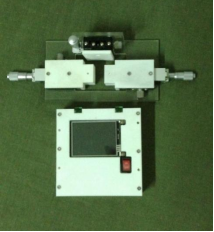
Cell Adhesion Force Measurement InstrumentThese instruments are generally based on microfluidic mechanics and measure adhesion between cells and a substrate by applying controlled shear force or pressure. Common methods include traction force microscopy, magnetic bead traction, and microfluidic chips. Combined with image processing and mechanical analysis, these technologies can monitor and quantitatively assess cell–substrate adhesion forces in real time.
When usingCell Adhesion Force Measurement Instrument, observe the following precautions:
1. Laboratory safety: before conducting any experiment, ensure that the laboratory environment is safe and follow its safety rules and operating procedures.
2. Instrument operating guide: read and understand the operating guide in detail, including the correct operating method and necessary maintenance steps.
3. Calibration: ensure that the instrument is calibrated before starting the experiment to obtain accurate and reliable measurements.
4. Cell culture conditions: culture and maintain cells in an appropriate medium according to experimental requirements. Ensure that the cells are healthy and that culture conditions suit the intended purpose.
5. Surface preparation: prepare the required specimen surface according to experimental needs. Cleanliness and flatness are essential to measurement accuracy.
6. Liquid handling: carefully perform operations involving biochemical reagents and cell culture media. Follow proper laboratory techniques and safety practices to prevent cross-contamination and cell damage.
7. Experimental parameter selection: choose appropriate parameters, such as loading rate and contact time, according to the experimental purpose and sample characteristics. Optimize these parameters before the experiment for the best results.
8. Data interpretation and analysis: carefully interpret and analyze the measured data. Use appropriate statistical methods to assess reliability and significance, and compare the results with relevant literature or previous experiments.
9. Reporting and recordkeeping: accurately record the experimental process and measurements and store the data securely. Prepare a clear, detailed report so others can understand and reproduce the experiment.