 You Are Here:
How much do you know about cell adhesion force measuring instruments?
 Updated: 2023-07-19
 Views: 2291
Cell adhesion is a key interaction between cells and their surrounding environment and is essential to biological functions such as cell migration, proliferation, and signal transduction. Measuring and understanding cell adhesion forces is therefore an important subject in the study of cell behavior and physiological processes. In recent years, advances in cell adhesion force measuring instruments have provided powerful tools for this field.
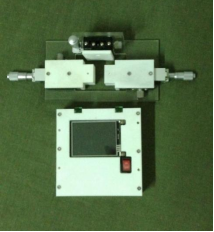
Cell Adhesion Force Measurement InstrumentThese instruments are generally based on microfluidic mechanics and measure adhesion between cells and a substrate by applying controlled shear force or pressure. Common methods include traction force microscopy, magnetic bead traction, and microfluidic chips. Combined with image processing and mechanical analysis, these technologies can monitor and quantitatively assess cell–substrate adhesion forces in real time.
The following isCell Adhesion Force Measurement Instrumentoffers the following advantages:
1. High-precision measurement: high-precision sensors and measurement systems accurately measure the forces exerted by cells, helping researchers obtain reliable data and evaluate cell adhesion under different conditions.
2. Real-time monitoring: forces applied during cell adhesion can be monitored in real time, allowing researchers to observe and record changes in adhesion and analyze dynamic interactions between cells and the substrate.
3. Multiparameter measurement: the instrument can simultaneously measure parameters such as adhesion-force magnitude, duration, and rate, providing more comprehensive data for deeper insight into the adhesion behavior of different cell types and substrates.
4. Programmability: a programmable experiment-control system typically supports customized settings, allowing researchers to design and execute protocols suited to their experimental needs.
A cell adhesion force measuring instrument is an important laboratory tool that provides an effective way to study the mechanical properties and biological functions of cell adhesion. As technology continues to develop and innovate, it will play an increasingly important role in biomedical research and offer new methods and ideas for clinical diagnosis and treatment.