 You Are Here:
Precautions when using a quantitative corneal transparency meter
 Updated: 2023-09-22
 Views: 992
The cornea is the transparent front surface of the eye and is essential to maintaining good visual function. Corneal transparency is an important indicator for assessing corneal health and conditions including corneal inflammation, edema, and lesions. Traditional assessments rely mainly on subjective observation and clinical experience and lack objectivity and quantitative measurement.
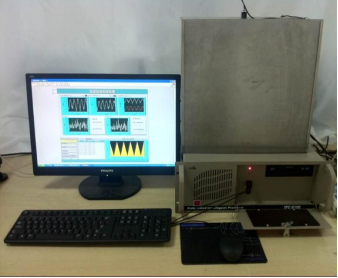
Quantitative corneal transparency meterThe instrument uses optical principles and image-processing technology to assess corneal transparency by measuring the intensity of light transmitted through the cornea. It directs a standardized light source at the cornea and records the intensity of the transmitted light. Analysis and processing of this intensity produce a quantitative corneal transparency value.
When usingQuantitative corneal transparency meter, observe the following precautions:
1. Instrument operation: before use, become familiar with the operating manual and follow its instructions. Consult a relevant professional or the instrument manufacturer promptly if anything is unclear or uncertain.
2. Measurement environment: take measurements in an appropriate environment to obtain accurate results. Ensure that lighting in the measurement area is sufficient and stable, avoid interference from strong background light, and keep the area clean and free of contaminants that could affect the results.
3. Patient preparation: before measuring corneal transparency, explain the relevant steps and requirements to the patient. Ensure that the patient understands the purpose and process and that the eye remains comfortable and stable.
4. Eye preparation: before measurement, ensure that the patient's eye is clean and remove contact lenses, eye cosmetics, or other items that might interfere. Ensure that the eye remains stable throughout measurement and avoid eye movement or blinking.
5. Measurement technique: use the correct technique when measuring corneal transparency. Maintain an appropriate distance and angle between the instrument and the eye, ensure accurate measurement positioning, and control measurement duration so that an excessively long or short reading does not affect the result.
6. Data recording and analysis: record results promptly after measurement and analyze and interpret the data appropriately. Use the results to assess corneal transparency and compare it with the normal range.
7. Instrument maintenance: perform regular maintenance, including cleaning instrument surfaces and checking the operating condition of sensors and the light source, to ensure normal, accurate operation.
8. Safety: protect the eye during use. Prevent the instrument from contacting the eyeball or causing discomfort or injury, and follow all applicable safety procedures and operating instructions.