 You Are Here:
More Capable Than It Looks: Cell Adhesion Force Measurement Is Advancing These Key Fields
 Updated: 2026-06-25
 Views: 89
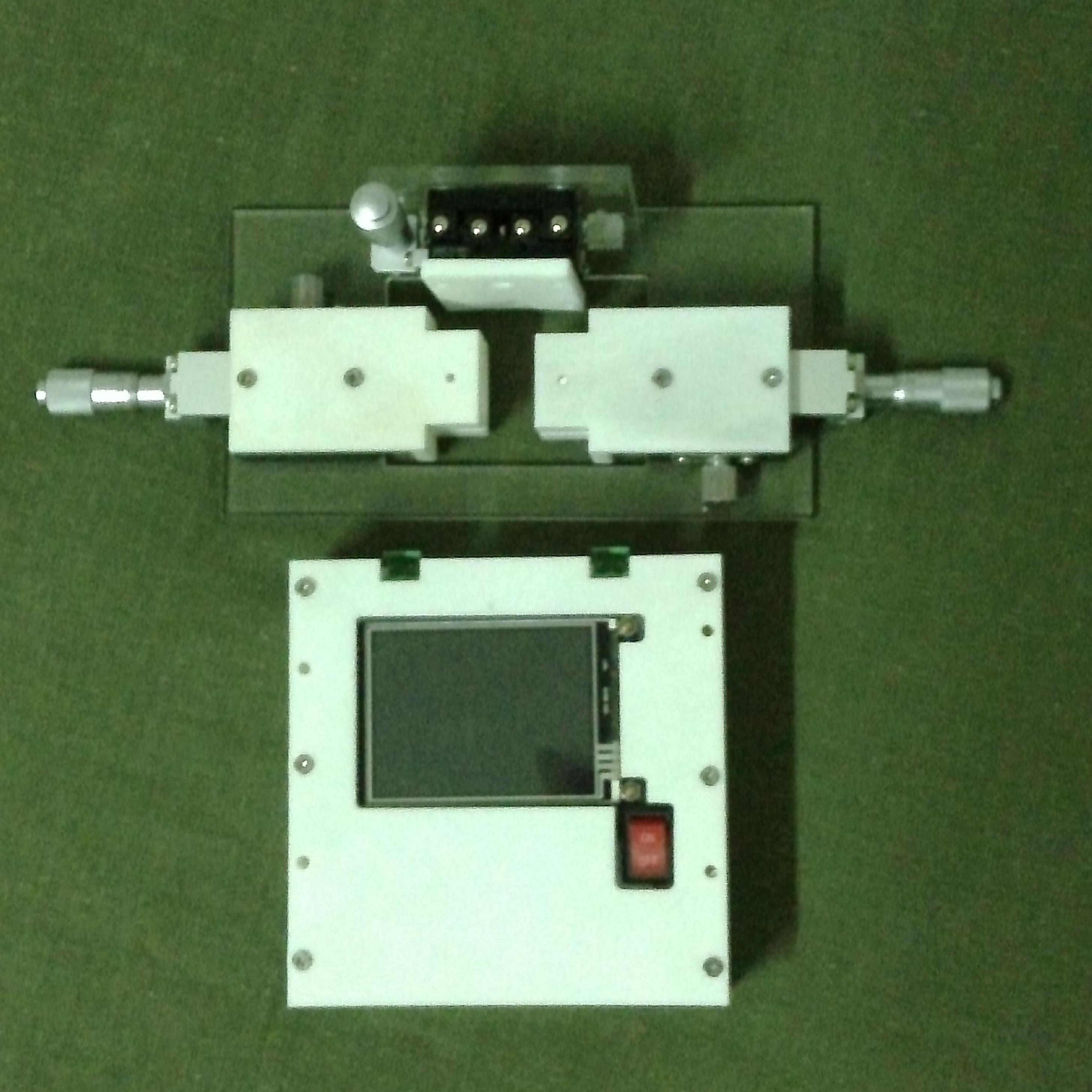
Cell Adhesion Force Measurement Instrumentis a specialized instrument for precisely measuring interaction forces between cells and a substrate, with important applications in cell biology, biomedical engineering and related fields. By accurately measuring these interactions, it helps researchers understand cell behavior and disease mechanisms and develop new treatments. For example, the CellHesion 200 system from Germany’s JPK measures cell–cell and cell–substrate interactions, quantitatively measures cell elasticity and responses to external mechanical pressure, and provides single-cell quantitative results with single-molecule precision. Its innovative method supports cell-interaction research with high-quality data, and its software automatically determines key parameters related to cell adhesion force.
Cell Adhesion Force Measurement Instrumentapplications:
I. Tumor biology and cancer-metastasis mechanisms (core application)
Cancer-cell invasion and metastasis: measure adhesion of breast, lung, liver, pancreatic, colon, and other cancer cells to extracellular matrix and vascular endothelial cells. Lower adhesion makes detachment and distant metastasis more likely, helping reveal the mechanical patterns of tumor progression.
Tumor-microenvironment research: experiments on how matrix stiffness, cytokines, and hypoxia regulate cancer-cell adhesion.
Tumor drug-resistance research: compare cancer-cell adhesion before and after chemotherapy or targeted treatment to evaluate inhibition of metastasis.
Circulating tumor cells CTC: test adhesion between blood cells and vessel walls to analyze hematogenous tumor metastasis.
II. Stem cells and developmental biology
Adhesion testing for mesenchymal stem cells, iPSC, and embryonic stem cells: substrate adhesion directly regulates stem-cell proliferation, differentiation, and directed induction (osteogenic/adipogenic/myogenic differentiation).
Embryonic development and organ formation: changes in intercellular adhesion reveal mechanisms of embryonic cell migration, tissue stratification, and morphogenesis.
Stem-cell culture-substrate screening: compare the effects of collagen, fibronectin, and peptide coatings on stem-cell attachment to optimize expansion systems.
III. Immunology, inflammation, and infection biology
Adhesion between immune cells (neutrophils, macrophages, T cells) and vascular endothelium: quantify leukocyte rolling, adhesion, and transendothelial migration during inflammation to study inflammatory pathways and chemokine effects.
Bacterial and viral infection mechanisms: measure changes in host-cell adhesion before and after infection by pathogens such as Escherichia coli and Staphylococcus aureus or by viruses; evaluate the efficacy of antibacterial and antiviral drugs in blocking adhesion.
Immune-cell killing: measure adhesion between immune cells and tumor target cells to quantify immune-binding strength.
IV. Tissue repair, wound healing, and cardiovascular research
Adhesion testing of dermal fibroblasts and vascular endothelial cells: evaluate how healing-promoting dressings and growth factors enhance adhesion and migration of wound-repair cells.
Cardiovascular disease: study endothelial injury in atherosclerosis, platelet–vessel-wall adhesion, mechanical mechanisms of thrombosis, and in vitro screening of antithrombotic drugs.
Cardiomyocyte mechanics: measure adhesion strength between cardiomyocytes to study pathological changes in heart failure and myocardial fibrosis.
V. Biomedical materials and implant development and validation (industrial applications)
1. Biocompatibility evaluation of implant materials
For titanium alloys, polylactic acid PLA, hydroxyapatite, hydrogels, and medical polymer membranes, measure adhesion of osteoblasts, epithelial cells, and soft-tissue cells to the material surface to screen highly bioactive implant substrates.
2. Orthopedic and dental implants
Implants and bone-repair scaffolds: quantify osteoblast adhesion to assess material osseointegration and guide coating modification with hydroxyapatite or peptides.
3. Implantable anti-adhesion materials
Abdominal anti-adhesion membranes and catheter coatings: test cell adhesion; low-adhesion materials can reduce postoperative tissue adhesions.
4. Modification and development of medical consumables
Validate surface modifications for cell-culture plates, cell-culture scaffolds, and microfluidic chips; optimize cell-attachment coatings such as polylysine and gelatin.
VI. High-throughput screening of new drugs and biologics
Antimetastatic drug screening: high-throughput models test compounds in batches for inhibition of tumor-cell adhesion and invasion, rapidly prescreening candidate small molecules, peptides, and active ingredients from traditional medicine.
In vitro efficacy evaluation of anti-inflammatory and antithrombotic drugs: quantify their ability to downregulate immune-cell/platelet adhesion.
Validate efficacy of drugs targeting cell-adhesion molecules (integrin and cadherin inhibitors).
Toxicological evaluation: assess the degree of cell injury from drug-induced detachment and reduced adhesion.
VII. Basic research in cell mechanics and biophysics
Single-cell mechanics quantification: micropipettes/AFM precisely measure piconewton-scale single-cell detachment force to study single-molecule binding mechanics of adhesion molecules (integrins and E-cadherin).
Mechanical-microenvironment regulation: study how fluid shear, substrate stiffness, and tensile stress alter cell adhesion.
Mechanical coupling of cell-signaling pathways: quantify how changes in adhesion activate mechanosignaling pathways such as FAK and YAP.
VIII. Tissue engineering and 3D organoid research
Dynamically monitor cell–matrix and cell–cell adhesion within 3D hydrogel scaffolds to optimize organoid culture systems.
Construction of skin, cartilage, and vascular organoids: regulate cell-adhesion strength to achieve organized tissue formation.
IX. Teaching and platform testing at universities and research institutes
Teaching experiments in life sciences, medical schools, biomedical engineering, and materials schools; external sample testing by public research platforms and cell-mechanics testing for collaborative projects.
X. Applications by equipment type
High-precision single-cell adhesion instrument (micropipette/FluidFM/AFM): precise small-sample testing for fundamental mechanisms, single-cell mechanics, and implant materials, suitable for in-depth mechanistic research.
High-throughput label-free real-time adhesion monitoring system (RTCA): high-throughput drug screening, batch cell comparisons, and continuous long-duration monitoring of dynamic adhesion kinetics; a core instrument for pharmaceutical companies and screening platforms.