 You Are Here:
Observe the Following Precautions When Using an Articular Cartilage Bioreactor to Ensure Experimental Success and Cell Health
 Updated: 2023-08-25
 Views: 3313
As understanding of articular cartilage tissue deepens, more researchers are focusing on how to culture and study it in vitro. As a device that simulates the environment of human joints, the articular cartilage bioreactor is gradually becoming an important tool for cartilage research.
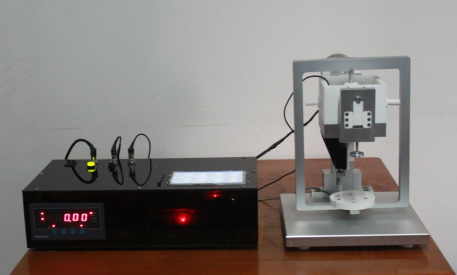
Articular cartilage bioreactoris a device for culturing and maintaining human articular chondrocytes and can be used to study cartilage biology and explore treatments. It generally consists of multiple layers of components, including a cell culture chamber, fluid circulation system, pressure sensor, and temperature controller. Its basic principle is to culture articular cartilage tissue on a permeable, porous, elastic artificial matrix and promote its growth and development through simulated physiological stimuli such as joint movement, pressure, and fluid shear. Its main components include a culture chamber, artificial matrix, pressure sensor, fluid pump, and control system.
When usingArticular cartilage bioreactor, observe the following precautions to ensure experimental success and cell health:
1. Aseptic operation: before use, ensure that all instruments, culture dishes, tools, and media are sterile. Wear suitable personal protective equipment, such as a laboratory coat, gloves, and mask, during aseptic work to prevent bacteria and other contaminants from entering.
2. Cell culture conditions: before use, ensure that cells have reached suitable culture conditions. They should be healthy and capable of good proliferation and differentiation. Select a medium and conditions that meet their specific needs.
3. Reactor assembly: correctly assemble every component according to the instructions. Ensure a good seal between the lid and culture dish to prevent gas and liquid leakage.
4. Cell seeding: evenly add the precultured cell suspension to the bioreactor culture dish. Maintain an appropriate cell density, avoiding excessive or insufficient density.
5. Culture-condition control: set temperature, humidity, gas composition, flow rate, and other conditions according to experimental requirements. Ensure that the internal environment resembles the physiological environment of articular cartilage.
6. Cell observation and evaluation: regularly assess cell growth and differentiation in the bioreactor. Use microscopy to observe changes in cell morphology and tissue structure and analyze cell viability, gene expression, secretions, and other indicators.
7. Liquid replacement and replenishment: replace medium regularly to remove waste and metabolites. Replenish nutrients and growth factors as needed to promote cell growth and differentiation.
8. Data recording and analysis: document use and experimental results in detail. Quantitatively analyze and compare cell growth curves, functional indicators, tissue-engineering characteristics, and other results.
9. Regular maintenance and cleaning: clean and maintain the equipment promptly after use. Disassemble components for thorough cleaning and disinfection to prevent bacteria and contaminants from proliferating.
10. Safety precautions: follow laboratory safety rules and operating procedures. Avoid contact with hazardous substances and prevent contamination. Maintain good personal hygiene during operation to avoid cell contamination and cross-infection.